
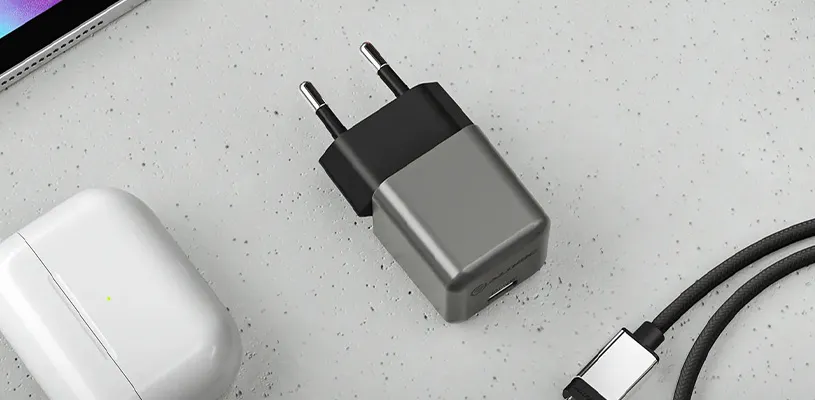
You’ve probably noticed the word “GaN” appearing more and more often on chargers in recent years. Small USB-C chargers that claim to power a phone, tablet, and sometimes even a MacBook — despite being much smaller than old, bulky power adapters.
But what exactly is a GaN charger? Is it just another tech term, or is there actually a reason to switch?
The short answer is: yes, there is a fairly big reason. Especially if you charge several devices every day, travel a lot, or are simply tired of large charging bricks taking up half your power strip.
What is GaN, exactly?
GaN stands for gallium nitride, a material used instead of traditional silicon in modern chargers.
That may sound pretty technical, but what matters is what it does in practice. Gallium nitride handles higher efficiency and generates less heat than older silicon-based solutions. The result is that manufacturers can build much smaller chargers without sacrificing power.
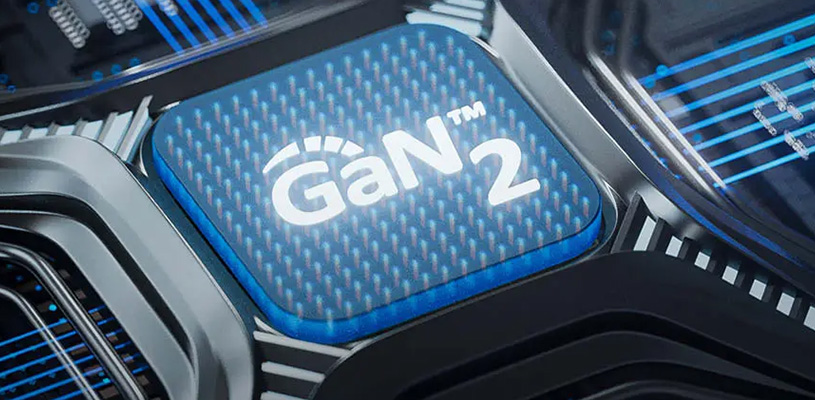
That’s why today’s small USB-C chargers can deliver 67W, 100W, or even more in a form factor that would have been impossible before. A few years ago, that often required large laptop chargers with a thick cable and a heavy power adapter. Now many GaN chargers fit in your pocket.
GaN vs. a regular charger
The difference between a GaN charger and a traditional charger shows up pretty quickly in everyday use.
A regular silicon charger:
- Is often larger
- Runs hotter
- Is less efficient
- Has fewer ports
A GaN charger:
- Is smaller and lighter
- Can deliver high power in a compact size
- Handles multiple USB-C ports better
- Works perfectly for travel and desk setups
That doesn’t mean older chargers are bad. If you already have an older 20W charger for your phone at home that works well, you don’t need to throw it away just because GaN exists. But if you’re buying new anyway, the advantages are hard to ignore today.
Why USB-C and Power Delivery have become standard
Most modern GaN chargers use USB-C with Power Delivery, often shortened to PD.
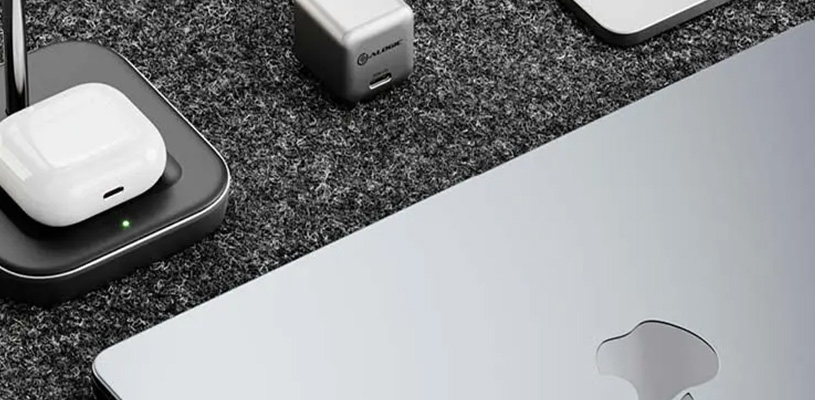
That’s the technology that lets the charger and the device “negotiate” the right amount of power. Your iPhone, for example, doesn’t need the same amount of power as a MacBook Pro, and Power Delivery makes sure the right amount is sent automatically.
Many newer chargers also support PPS — Programmable Power Supply — which enables even smarter and more efficient charging for some Android devices.
In practice, that means one good GaN charger can often replace several older chargers at home.
How many watts do you actually need?
This is the most common question — and also where many people buy chargers that are far more powerful than they need.
Here’s a fairly simple rule of thumb:
|
Device |
Recommended power |
|---|---|
|
iPhone |
20W - 30W |
|
iPad |
30W - 45W |
|
MacBook Air |
45W - 67W |
|
MacBook Pro 14 |
67W - 100W |
|
MacBook Pro 16 |
100W - 140W |
|
Gaming laptop |
100W+ |
For most people, a good 67W charger goes a very long way. It’s a bit of a sweet spot right now, because it handles a phone, tablet, and many laptops without any trouble.
That’s also why models like Power Delivery 67W have become so popular among Apple users.
When you actually don’t need a GaN charger
This is the part many guides skip.
You don’t necessarily need to buy a GaN charger if:
- You only charge your phone overnight
- You already have chargers that work
- You never travel with tech
- You don’t care about size or heat
A regular 20W charger still works perfectly well for many users.
GaN becomes most interesting when you want to:
- Reduce the number of chargers
- Charge multiple devices at once
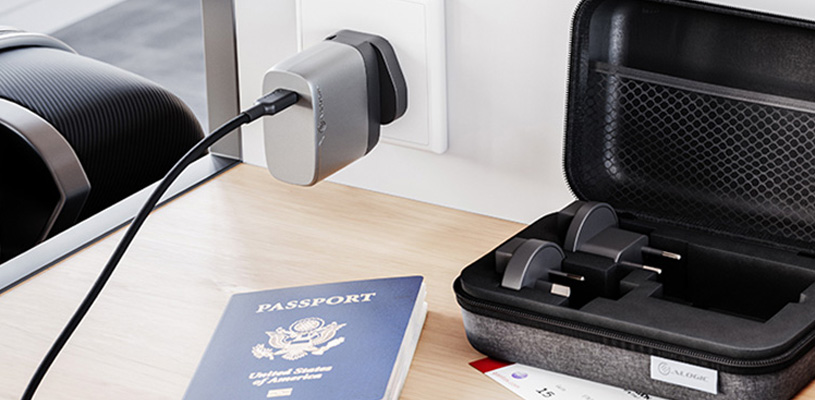
- Travel lighter
- Get high power in a smaller size
- Avoid large laptop adapters
So it’s more about convenience and flexibility than older technology suddenly becoming bad.
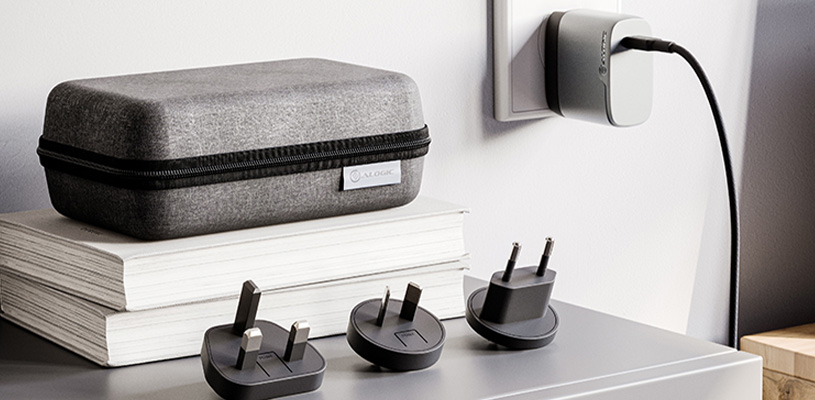
The best type of GaN charger in 2026
There are really three types that suit most people best today.
For your phone and everyday use
A compact 30W charger goes a long way for iPhone, AirPods, and smaller devices.
For laptops and an all-in-one solution
67W is the most balanced level right now. Perfect for MacBook Air and many USB-C laptops.
For the desk
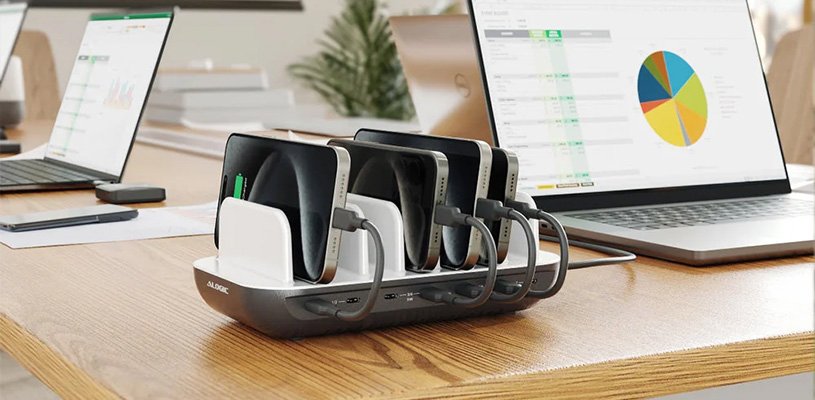
If you have a lot of devices at home or in the office, a larger multiport charger is much more convenient than several small adapters.
Especially if you’re charging a phone, tablet, headphones, and laptop at the same time.
Summary
GaN chargers aren’t just a trend — they’re actually a pretty big step forward for everyday tech.
They’re smaller, more efficient, and much more convenient than older chargers. At the same time, there’s no need to overstate the need for them either. Many people still do just fine with simpler solutions.
But if you want fewer chargers, faster charging, and a cleaner setup at home or on the road, GaN is definitely worth a closer look in 2026.
FAQ
What is a GaN charger?
A GaN charger uses gallium nitride instead of silicon, which makes the charger smaller, more efficient, and cooler.
Is GaN better than regular chargers?
Yes, especially when it comes to size, efficiency, and high power in a compact form.
How many watts do I need for an iPhone?
For most iPhones, 20W to 30W is enough for fast charging.
Can a GaN charger charge a MacBook?
Yes, many GaN chargers work very well for MacBook. For MacBook Air, 67W is often enough.
Do GaN chargers run cooler?
Generally, yes. They’re usually more efficient than older silicon chargers and therefore generate less heat.